
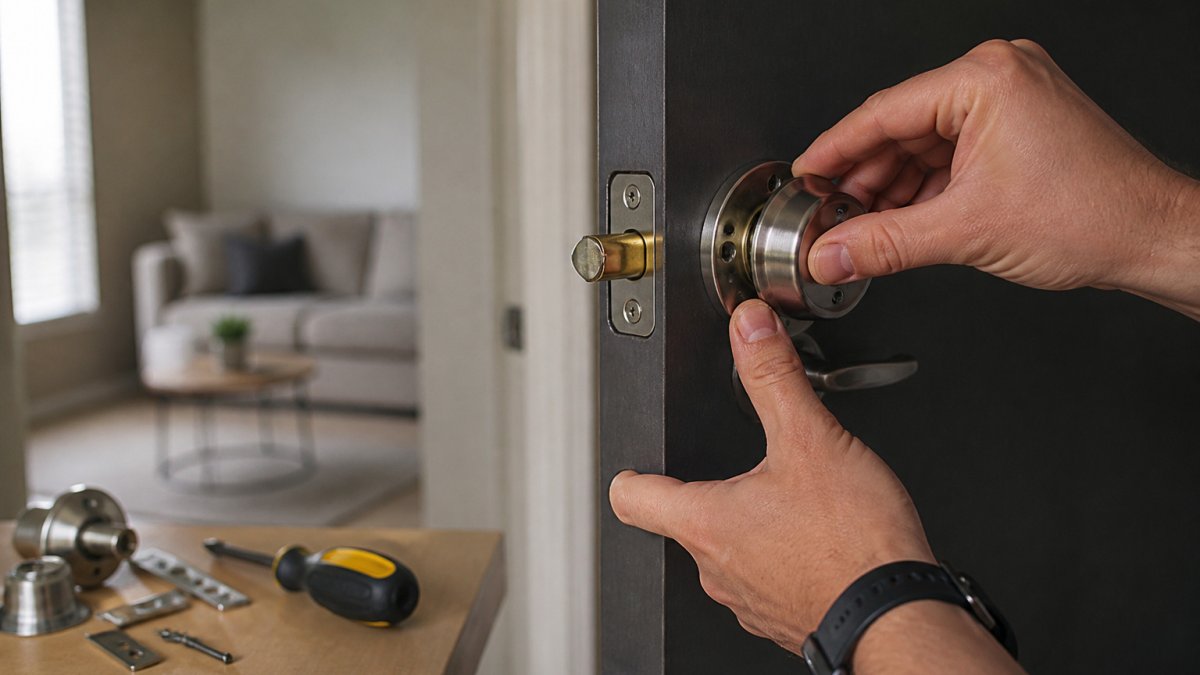
Last Updated: November 1, 2026
Quick Summary
Most renters need landlord permission before they change apartment locks, since lease alteration clauses usually cover lock work. Get approval in writing first, offer to provide a key, and keep records of the request, approval, and installation.
- Lock changes usually fall under the lease's alteration clause, so check it first.
- Get the landlord's approval in writing before any locksmith touches the lock.
- Offer to give the landlord a copy of the new key.
- Photograph the lock before and after installation to document the work.
- Some states let survivors of domestic violence change locks with notice instead of consent.
Table of Contents
- Why Tenants Need Permission Before Changing Locks
- Step-by-Step: Getting Landlord Permission to Change Locks
- Step 1: Pull the exact lease language
- Step 2: Send a written request through a channel that timestamps
- Step 3: Offer the landlord a low-friction yes
- Step 4: Get the approval in writing before anyone touches the lock
- Step 5: Schedule the work and document the before-and-after
- Step 6: Hand over the key and get a receipt
- Step 7: Update your records
- If the landlord refuses
- If it is an emergency
- Rekey or Replace: Choosing the Right Lock Option
- How Much Does an Apartment Lock Change Cost?
- DIY Apartment Lock Replacement: What to Check First
- Booking Your Lock Change With Abra Key Dabra Locksmith Services
- Frequently Asked Questions
Why Tenants Need Permission Before Changing Locks
Most renters can't change their apartment locks without asking first, since a lock change usually needs the landlord's approval. The short answer is that permission matters more than most tenants expect.
That doesn't mean you're stuck. Knowing how to change rental apartment locks the right way protects your security and your deposit. Below, we explain what your lease usually says, how state and local law can shift the answer, and the steps to get approval quickly.
What Your Lease Usually Says About Lock Changes
Most leases include a clause about alterations to the unit. Lock changes usually fall under that clause, since locks are part of the door hardware the landlord owns.
Check your lease for these points:
- A rule that bans alterations without written consent
- A requirement to give the landlord a copy of any new key
- A statement about who pays for lock work
If your lease is silent, that does not give you permission. Ask in writing before you act.
How State and Local Law Can Change the Answer
State and local rules can override a lease in some situations. Many states have landlord-tenant laws that address access, security, and repairs. Some cities also set rules on lock hardware, especially for older buildings.
A common pattern is that tenants may be allowed to change locks after domestic violence or a break-in, but usually must still notify the landlord.
Step-by-Step: Getting Landlord Permission to Change Locks
A verbal yes is hard to prove later, and a silent landlord is common. This sequence is built to produce a written record you can rely on if the deposit or the lease is ever disputed.
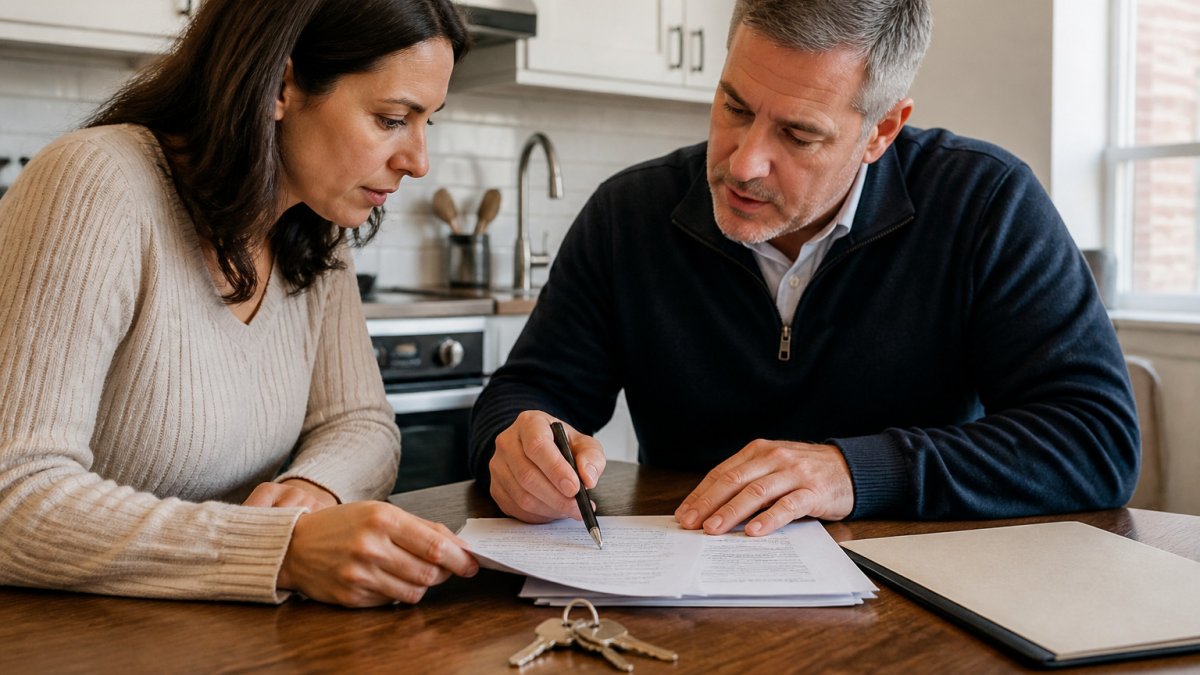
Step 1: Pull the exact lease language
Find the alteration clause, the entry/access clause, and any addendum about keys. Copy the exact sentences into your request. Quoting the lease back to the landlord signals you have read it and makes a vague refusal harder.
Step 2: Send a written request through a channel that timestamps
Email is best. A tenant portal message works if it keeps a record. Text is acceptable but harder to export. Include:
- Your unit number and the date
- The reason (lost key, roommate change, break-in, worn lock, safety concern)
- Whether you want a rekey or a full replacement
Step 3: Offer the landlord a low-friction yes
Landlords refuse for predictable reasons: cost, loss of access, and liability. Preempt all three. State who pays, confirm the landlord will receive a key, and offer to use a licensed and insured locksmith so the work is warrantied. A request that answers those three concerns in the first message gets approved far more often than an open-ended ask.
Step 4: Get the approval in writing before anyone touches the lock
A reply email saying "approved" is enough. If the landlord approves by phone, send a short follow-up email summarizing the call and ask them to reply "confirmed." Keep that thread.
Step 5: Schedule the work and document the before-and-after
Photograph the existing lock and door edge before the locksmith arrives, and photograph the finished install. Note the lock brand and model. This protects you if the landlord later claims damage.
Step 6: Hand over the key and get a receipt
Deliver the key in person or by a trackable method, and ask the landlord to acknowledge receipt in writing. Keep one copy of the key for yourself and note how many copies exist.
Step 7: Update your records
Save the lease clause, the request, the approval, the locksmith invoice, the photos, and the key receipt in one folder. If you move out, that folder is your evidence that the lock change was authorized.
If the landlord refuses
Ask for the refusal in writing and the reason. Common lawful reasons include lease terms, building master-key systems, and fire-code egress requirements. If the refusal leaves you with a genuinely unsafe lock, ask the landlord to fix it as a repair request in writing, and check your state's repair-and-deduct rules before spending money yourself.
If it is an emergency
A break-in, a stolen key, a lost key with identifying information attached, or a domestic-violence situation changes the timeline. Call the locksmith first if there is an immediate safety risk, then notify the landlord as soon as it is safe to do so and provide a key.
A common mistake is calling a locksmith before getting approval. Get the yes in writing first, then schedule the work.
The steps below show the order to follow, with the typical timing for each.
| Step | What to do | Timing |
|---|---|---|
| 1. Pull lease language | Find the alteration, access, and key clauses | Before writing to landlord |
| 2. Send written request | Email or portal message with reason and lock type | Include a proposed date |
| 3. Offer low-friction yes | State who pays and offer to provide a key | In the first message |
| 4. Get approval in writing | Reply email saying approved | Before any work |
| 5. Document the work | Photograph lock before and after install | On install day |
| 6. Hand over key | Deliver key and get written receipt | After the install |
| 7. Update records | Save clause, request, approval, invoice, photos | Keep for move-out |
Rekey or Replace: Choosing the Right Lock Option
You have two main options, and each one suits different situations.
- Rekeying keeps the same lock body and gives it new pins. It is usually the faster and less costly choice, and it works well after a lost key or a move-out.
- Replacement swaps the whole lock. Choose it when the lock is worn, damaged, or outdated.
Your landlord may prefer one over the other. Rekeying often gets approval faster because the hardware stays the same. For a broken lock or a security upgrade, replacement is the better fit. Abra Key Dabra Locksmith Services can help you change apartment locks.
How Much Does an Apartment Lock Change Cost?
Costs vary by lock type, the number of locks, and the time of the service, so there is no single price for every apartment. Pricing depends on those details, so ask for a written quote before any work begins.
When you compare quotes, check these details:
- The number of locks included
- Whether the price covers parts, labor, and new keys
- Any fee for after-hours service
Getting the quote in writing protects you from surprise charges.
DIY Apartment Lock Replacement: What to Check First
Some tenants try to replace a lock themselves. Before you do, check these points:
- Your lease and your landlord's approval
- Whether the door is a standard size that fits the new hardware
- Whether you have the right tools and the correct lock for the door
- Whether the work could damage the door or the frame
A DIY job can void a warranty or cause damage that comes out of your deposit. For most renters, a professional lock change is the safer option.
Booking Your Lock Change With Abra Key Dabra Locksmith Services
Once you have permission, Abra Key Dabra Locksmith Services can handle the work. Renters in Evansville can find our local contact details and service area on our Evansville locksmith page. Our licensed, insured technicians offer rekeying and lock replacement in the Evansville area.
To get started, request a quote for your lock change. Renters in Evansville can also book a lock change with us or see our lock replacement options. Renters in Henderson, KY can see the areas we serve from Evansville on our Henderson, KY locksmith page.
Frequently Asked Questions
Can you change your locks if you rent?
Usually not without permission. Most leases require written approval from the landlord before a tenant changes or adds a lock, because the landlord typically needs a way to enter the unit in an emergency. Read your lease first. If it is silent, ask the landlord in writing and keep a copy of the reply. Some states and cities give tenants stronger rights, including the right to request a lock change after a domestic violence or other safety incident, so check local tenant law resources or the state attorney general's consumer protection page.
Should I rekey or replace the lock in a rental apartment?
Rekeying changes the internal pins so the old keys no longer work, while the lock body stays the same. It is usually the faster and less expensive option when the lock is in good condition and only the keys need to be controlled. Replacement installs a new lock body and is better when the existing lock is damaged, outdated, or does not meet your security needs. Either way, get the landlord's approval first, and confirm in writing who pays and who keeps the new keys.
Do I need to give my landlord a copy of the new key?
Often yes. Many leases require tenants to provide the landlord with a working key or access code so the landlord can enter for repairs, inspections, or emergencies. If you change a lock, the landlord typically expects a copy of the new key before you move in or within a set number of days. Ask the landlord how they want keys delivered, and keep a record of what you handed over and when.
Can I change a door lock by myself?
You can, but only after getting permission and only if the lock is not a building-owned or shared-entry lock. A DIY replacement requires matching the bore size, backset, and door thickness, and an incorrect install can damage the door or leave the lock unsafe. If you are unsure, a licensed locksmith can rekey or replace the lock and provide a receipt you can share with your landlord. Always return the original hardware when you move out unless the landlord agrees otherwise.

Tags