Last Updated: November 20, 2026
Quick Summary
How to choose a lock for a glass storefront door starts with measuring stile width and backset, then matching the lock type to your frame and door function. Confirm the cylinder cam, strike plate alignment, and egress rules before ordering, because a lock that fits the door but not the frame is the most common reason storefront hardware orders get returned.
- Measure backset from the door's edge to the center of the existing cylinder hole.
- A standard narrow stile rail is roughly 1-3/4 to 2 inches wide, so most use a short backset.
- A double cylinder on a required means of egress can conflict with life-safety rules requiring free exit.
- A new cylinder with the wrong cam will turn but not throw the latch.
- Three-point locks suit wide or heavy glass doors, while a quality deadlatch usually handles a standard narrow stile single door.
Table of Contents
- Start With Your Door: Stile Width and Backset
- Know Your Glass Storefront Lock Types Before You Buy
- Storefront Door Lock Cylinder Options and Keyway Choices
- Keyless Access Control for Glass Storefront Doors
- When a Three-Point Lock for Commercial Storefront Doors Makes Sense
- Planning a Storefront Door Lock Replacement
- Balancing Security, Looks, and Everyday Durability
- Get Your Storefront Lock Measured and Installed Right
- Frequently Asked Questions
Start With Your Door: Stile Width and Backset
How to choose a lock for a glass storefront door starts with two measurements: stile width and backset. Get these wrong and the lock simply will not fit. We recommend measuring both before buying online.
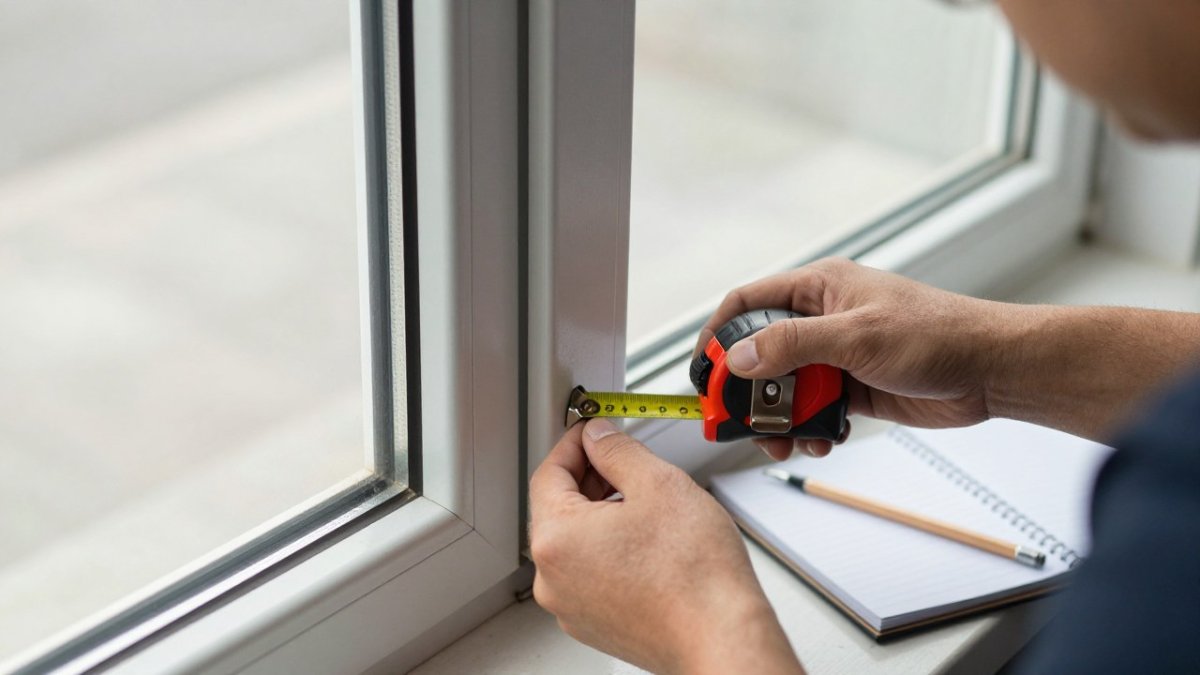
Stile width is the width of the vertical aluminum frame member on the lock side of the door. Backset is the distance from the door's edge to the center of the lock cylinder or latch hole.
How to Measure Backset and Stile Width
Measure backset from the door's edge to the center of the existing cylinder hole. Measure stile width across the face of the frame rail, not including the glass. Check both numbers against the hardware spec sheet before ordering; a fraction of an inch off and the faceplate will not seat.
Know Your Glass Storefront Lock Types Before You Buy
Glass storefront doors use a handful of lock families, and the right one depends on your frame, door function, and how the door is used during business hours. Here is the short version, followed by the details that decide the purchase:
| Lock Type | Best For | Key Consideration |
|---|---|---|
| Mortise lock | Standard narrow stile doors | Fits inside the frame, needs correct backset and cylinder cam |
| Deadlatch | Aluminum storefront entry | Latch bolt retracts with door swing; bevel must match handing |
| Cylinder lock | Most storefront doors | Keyway and cam must match the door and the existing key system |
| Three-point lock | Wide or heavy doors | Extra bolts top and bottom; frame must accept strike plates |
| Keyless entry | High-traffic entries | Needs power or battery planning and a credential strategy |
A mortise lock installs inside a pocket cut into the door frame. For a closer look at how these lock families compare, see our guide to commercial door lock installation services. It is the workhorse of aluminum storefront doors and pairs with a separate cylinder. Most commercial door locks on a glass entry are mortise or deadlatch designs. A deadlatch adds a latch guard that keeps the latch bolt from being slipped with a credit card or shim; the bevel must face the strike so the door swings and latches cleanly.
Narrow Stile Anatomy: What Actually Fits
Narrow stile doors are built around a slim aluminum rail, so every component must be sized to that rail. The three dimensions that decide compatibility are stile width, backset, and cylinder length.
Single vs. Double Cylinder Locks
A single cylinder lock has a key outside and a thumbturn inside. A double cylinder lock requires a key on both sides, which can slow exits and may raise code questions.
Watch out: a double cylinder on a required means of egress can conflict with life-safety rules requiring free exit without a key. Confirm the door's function and occupancy classification, and check with the local authority having jurisdiction if the door is part of a required exit path.
ADA and Egress Considerations
Storefront doors the public uses are subject to accessibility and life-safety rules, and the lock is part of that picture. Operable hardware on an accessible route generally must be usable without tight grasping, pinching, or twisting of the wrist, which is why lever handles and push bars are common on public entrances (Chapter 3: Operable Parts). Exit doors along a means of egress generally must open freely without a key or special knowledge.
Matching the Lock to the Frame
Aluminum storefront frames vary in how they accept hardware. Some have a prepared pocket for a mortise body; others are set up for a rim-mounted device or a deadlatch with a strike. Before buying, confirm three things: the frame has (or can be cut for) the right pocket, the strike plate lines up with the latch, and the door closer will still pull the door shut against the new hardware.
Storefront Door Lock Cylinder Options and Keyway Choices
The cylinder is the part the key goes into, and the keyway is the shape cut into it. Standard keyways are easy to duplicate, which is convenient until a former employee copies a key.
If you are weighing restricted or high-security cylinders, our team can walk you through professional locksmith services in Evansville, IN and match a cylinder to your existing hardware.
Watch out: a new cylinder with the wrong cam will turn but not throw the latch. Always confirm the cam type before installation.
Keyless Access Control for Glass Storefront Doors
Keyless access control for glass storefront doors replaces the mechanical key with a keypad, card reader, or smartphone credential. It solves the biggest weakness of storefront keys: everyone who has ever held one may still have a copy. Keyless systems let you add and remove users in seconds, and many log every entry.
The trade-off is planning. Battery-powered standalone locks are simpler to retrofit; networked systems need wiring and a controller. Decide who needs access, how often credentials change, and whether you need an audit trail before choosing.
Standalone vs. Networked vs. Cloud-Managed
There are three practical tiers, and the right one depends on how many doors and people you manage.
- Standalone keypad or card lock. Battery-powered, no wiring, programmed at the door. Best for a single rear or employee door, but you manage it in person and audit logs are limited.
- Networked access control. A controller and reader wired to the door, managed from an on-site computer. Good for multiple doors and a front desk that issues credentials, but requires power and low-voltage wiring to each door.
- Cloud-managed access control. Readers and controllers connect to a hosted platform, and you issue or revoke mobile credentials from a browser or phone. The fastest-growing option for small retail because it removes the on-site server and lets an owner manage access remotely.
Mobile Credentials and the All-Glass Look
Modern access control readers can be small and unobtrusive, preserving the clean look of a narrow stile door. Mobile credentials, where a phone or watch acts as the key, mean employees need no fob and you do not rekey when someone leaves.
Watch out: mobile credentials depend on the reader's firmware and the platform's support for the phone's wallet or app. Confirm compatibility before you buy, because not every reader supports every phone-based credential.
Power, Wiring, and Retrofit Reality
A glass storefront door is not a wood door, and running power to it takes planning. Battery-powered standalone locks avoid wiring, but you must track battery life and replace cells on schedule. Networked and cloud systems need low-voltage power at the door, usually via a power transfer or electric hinge so wiring survives the door swing. If the door lacks power, the install is a bigger project than swapping a cylinder and should be scoped before committing to a platform.
Troubleshooting Common Keyless Failures
Most keyless problems on a storefront door fall into a few patterns. A reader that works intermittently is often a power or wiring issue at the hinge, not a reader failure. A door that unlocks but will not latch is usually a strike alignment or door closer problem. A credential that stops working after a platform update is often a firmware or time-zone mismatch.
Environmental Durability for Exterior Readers and Finishes
Storefronts near a parking lot, busy street, or loading area take sun, rain, road salt, and constant traffic. Choose readers and finishes rated for exterior use, and prefer stainless steel or powder-coated finishes over bare polished brass, which dulls and pits outdoors. A reader with a sealed keypad and rated operating temperature range will outlast a consumer-grade unit. The same logic applies to mechanical hardware: a finish that looks good in a showroom may not survive a year of road salt.
When a Three-Point Lock for Commercial Storefront Doors Makes Sense
A three-point lock for commercial storefront doors throws bolts at the top, middle, and bottom of the door instead of just the latch point.
Three-point hardware costs more and takes longer to install, and it needs a frame that can accept the strike plates. Pairing a three-point lock with properly installed exit door push bar hardware keeps the door secure and lets it open freely in an emergency.
Planning a Storefront Door Lock Replacement
Knowing how to choose a lock for a glass storefront door makes replacement go smoothly when you plan around the door, not the lock. Follow this order:
- Measure stile width and backset and photograph the existing hardware
- Identify the lock type and cylinder cam
- Confirm the strike plate and frame will accept the new hardware
- Check that the door closer and latch still align after installation
- Decide whether to rekey existing cylinders or replace them
- Have a locksmith verify the install and test the latch and deadlatch
Replacing hardware is also a good moment to check the rest of your physical security. Our commercial security checklist for small business owners helps you spot gaps beyond the front door.
Balancing Security, Looks, and Everyday Durability
Security and appearance do not have to fight each other. A narrow stile door with clean, matching hardware looks professional and still holds up. Choose finishes rated for exterior use, because aluminum frames near a parking lot take sun, rain, and road salt.
The most common failure we see is a door closer that slams the door and slowly beats the latch out of alignment. Adjust the closer before it damages the lock.
Get Your Storefront Lock Measured and Installed Right
A storefront lock is only as good as its fit. You can request professional measurement and installation from Abra Key Dabra Locksmith Services.
Abra Key Dabra Locksmith Services is licensed and insured, and provides commercial lock installation and rekeying across the Greater Evansville area.
Bring us your door's measurements and a photo of the existing hardware, and we will tell you which lock fits. Get started with Abra Key Dabra Locksmith Services and secure your storefront with hardware that fits right the first time.
Frequently Asked Questions
What type of lock fits an aluminum storefront door?
Most aluminum storefront doors use a narrow stile lock, often a mortise-style lock body with a hook-shaped latch bolt that grabs the frame instead of a simple spring latch. The lock has to match the door's stile width and backset, which is why measuring before you buy matters. A locksmith can confirm the exact body style and faceplate size your frame accepts so the glass storefront lock you order actually fits.
Can you install a keyless lock on a commercial glass door?
Yes, keyless access control for glass storefront doors is widely available, but the door has to support it. Narrow stile frames often need a specific keypad or card reader body built for that profile, plus a power source or battery pack and a way to route wiring. Confirm the reader is rated for the door's material and that it works with your existing closer and exit device before committing.
How do I identify the lock cylinder on a storefront door?
Look at the face of the lock where the key goes in. On a storefront door lock cylinder you will usually see a small set screw or retaining ring holding the cylinder in the housing, and the cylinder may sit in a threaded collar. Note the keyway shape and whether the cylinder is flush or protruding. Bring a photo and the key to a locksmith, who can match the replacement cylinder without guessing.
Are commercial door locks different from residential locks?
They are built differently. Commercial locks are designed for heavier daily traffic, often use mortise bodies and hook bolts instead of simple deadbolts, and are sized for narrow metal frames rather than wood doors. Hardware also has to work with exit devices and closers. That is why a residential deadbolt generally will not fit a glass storefront door, and why a storefront door lock replacement should be matched to the frame.
