Last Updated: November 19, 2026
Quick Summary
A licensed locksmith holds a state or local credential and carries insurance, while an unlicensed operator may skip these safeguards. Hiring unlicensed leaves you absorbing damage costs and with no claim against liability coverage or complaint to a regulator. Always ask for the license number before dispatch and look it up yourself.
- Ask for the license number before dispatch, then verify it with the state yourself.
- Bait-and-switch scams quote low by phone, then bill much higher once your lock is drilled.
- Get the total price, including trip or after-hours charges, in writing before work begins.
- If an uninsured technician damages your property, your policy may treat the repair as your responsibility.
- Report suspected unlicensed activity to your city or county licensing office and state attorney general.
Table of Contents
- Licensed Locksmith vs Unlicensed Risks: What You Need to Know
- How to Verify a Locksmith License Before You Hire
- How to Spot a Locksmith Scam and Avoid Costly Mistakes
- Licensed vs Unlicensed Locksmiths: A Side-by-Side Comparison
- Licensed Locksmith vs Unlicensed Risks: Legal Recourse and Consumer Protection
- Licensed Locksmith vs Unlicensed Risks: Digital Security and Insurance Gaps
- Questions to Ask Before Hiring a Locksmith
- Why Workmanship and Professional Standards Matter
- Reporting Unlicensed Activity
- Frequently Asked Questions
Licensed Locksmith vs Unlicensed Risks: What You Need to Know
Choosing between a licensed locksmith and an unlicensed one decides who gets lawful access to your home, car, and business. A licensed locksmith is one who holds a state or local credential and carries insurance; an unlicensed operator may skip these safeguards. Readers weighing licensed vs unlicensed providers want a vetting checklist for hiring a reliable locksmith, and our guide on how to find a reliable emergency locksmith for a house lockout provides one.
How to Verify a Locksmith License Before You Hire
Verification starts with the state, not the company's own website: ask for the license number before dispatch, then look it up yourself. Licensing requirements for locksmiths vary by jurisdiction, so check the rules that apply where the work is performed.
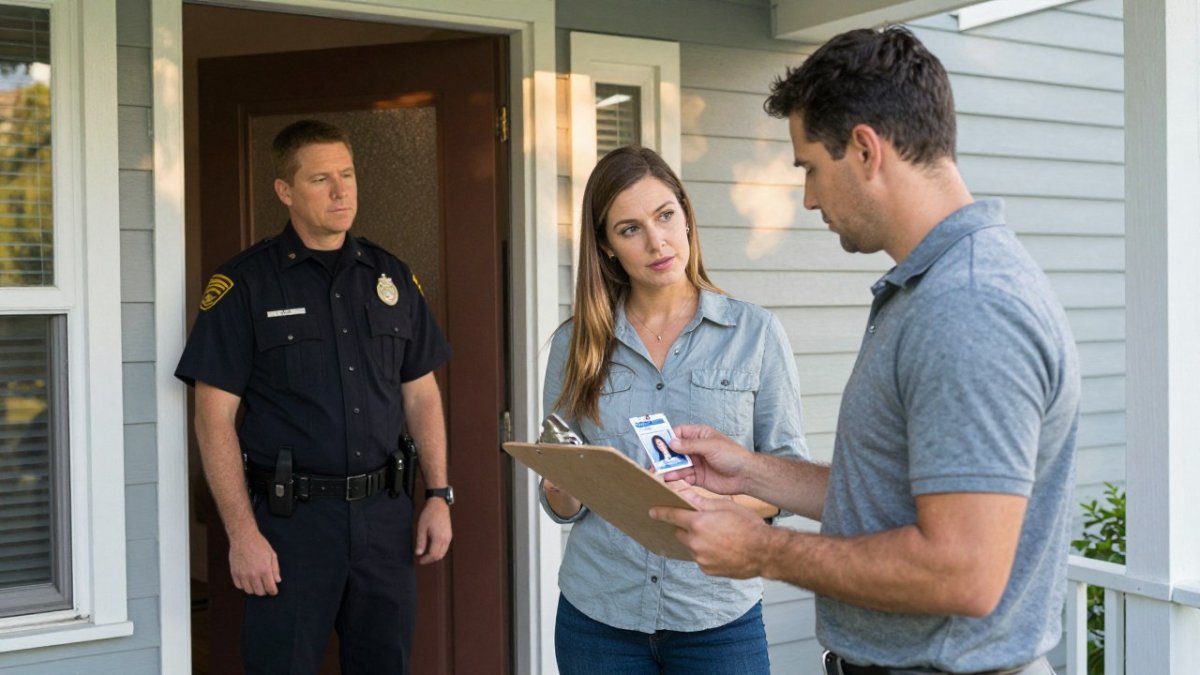
A company that cannot produce a license number before dispatch, or gives one that matches no record, is telling you something. Cancel and call someone else. For a step-by-step walkthrough, see our guide on how to verify a locksmith license, then schedule a locksmith appointment with a local team that shows the paperwork up front.
How to Spot a Locksmith Scam and Avoid Costly Mistakes
The most common locksmith scam is bait-and-switch: a low phone quote, then a much higher bill at the door once your lock is drilled. Consumer protection guidance generally advises getting the total price, including trip or after-hours charges, in writing before work begins. Our article on how to spot a locksmith bait-and-switch covers the exact red flags, and avoiding locksmith bait and switch pricing explains what to ask before dispatch.
Licensed vs Unlicensed Locksmiths: A Side-by-Side Comparison
| Factor | Licensed Locksmith | Unlicensed Operator |
|---|---|---|
| Background check | Completed before hiring | Unknown or none |
| Insurance and bonding | Carries liability coverage | You absorb the loss |
| Written estimate | Standard practice | Often refused |
The insurance row matters most: if an uninsured technician damages your door frame, lock, or car's ignition, your homeowner's or auto policy may treat the repair as your responsibility, deductible included.
Licensed Locksmith vs Unlicensed Risks: Legal Recourse and Consumer Protection
A licensed locksmith who operates under a business registration and insurance policy generally gives you two paths: a claim against liability coverage or a complaint to a regulator. An unlicensed operator often leaves you with neither. Keep the written estimate, final invoice, technician's name, and license number.
Licensed Locksmith vs Unlicensed Risks: Digital Security and Insurance Gaps
Smart locks, access control, and key fob programming involve credentials, codes, and software. An unqualified technician can leave default codes active, fail to wipe old user access, or install firmware incorrectly. Some homeowner policies may require work on your property be performed by a licensed contractor; check your policy language before you hire.
Questions to Ask Before Hiring a Locksmith
A short script removes most of the guesswork. Ask these before you agree to anything:
If any answer is vague or evasive, that is your answer. A professional team expects these questions and answers without hesitation.
Why Workmanship and Professional Standards Matter
A lock is only as good as its installation. Poor workmanship shows up months later as a sticking deadbolt, a misaligned strike plate, or a door that will not secure fully, not just annoyances, but a security gap. Professional standards cover correct backset measurement, proper torque on mounting screws, testing the lock through several cycles, and confirming the key turns smoothly before leaving.
Reporting Unlicensed Activity
If you suspect a locksmith is operating without credentials, report the business to your city or county licensing office and your state attorney general's consumer protection division. Keep your invoice, the technician's name, and any written quote to make the report actionable.
The difference between a licensed locksmith and an unlicensed one comes down to accountability. When you hire Abra Key Dabra Locksmith Services, you get licensed and insured technicians, a clear quote before work begins, and a team that serves the Greater Evansville area with residential, commercial, and automotive locksmith work. Get started with Abra Key Dabra Locksmith Services and secure your property with a provider that shows its credentials up front.
Frequently Asked Questions
Can you be a locksmith without a license?
In many states, yes, but that does not mean it is legal or safe. Licensing requirements vary, and some states require locksmiths to be licensed, bonded, and insured. Hiring an unlicensed locksmith puts you at risk because there is no regulatory agency to hold them accountable for poor workmanship, property damage, or fraudulent charges. Always ask for proof of licensing before allowing anyone to work on your locks.
How do I know if a locksmith is legitimate?
A legitimate locksmith will gladly show you their license, insurance certificate, and identification. They provide a written estimate before starting work and a detailed invoice after. You can also verify their license through your state's or locality's licensing authority. Be wary of anyone who refuses to provide credentials or pressures you to pay upfront without a written agreement.
What should I do if a locksmith refuses to provide an estimate?
If a locksmith refuses to give a written estimate before starting work, do not hire them. A refusal to provide a quote is a major red flag for a potential scam. Legitimate locksmiths understand that quote transparency builds trust and protects both parties. Ask for the estimate in writing, including parts and labor, and confirm there are no hidden fees. If they still refuse, contact another licensed locksmith.
